MARAWI CITY (PIA) — The inflation rate in Lanao del Sur perked up to 2.5 percent in November 2024, an increase from 1.9 percent in October 2024, according to the latest data from the Philippine Statistics Authority (PSA) in the province.
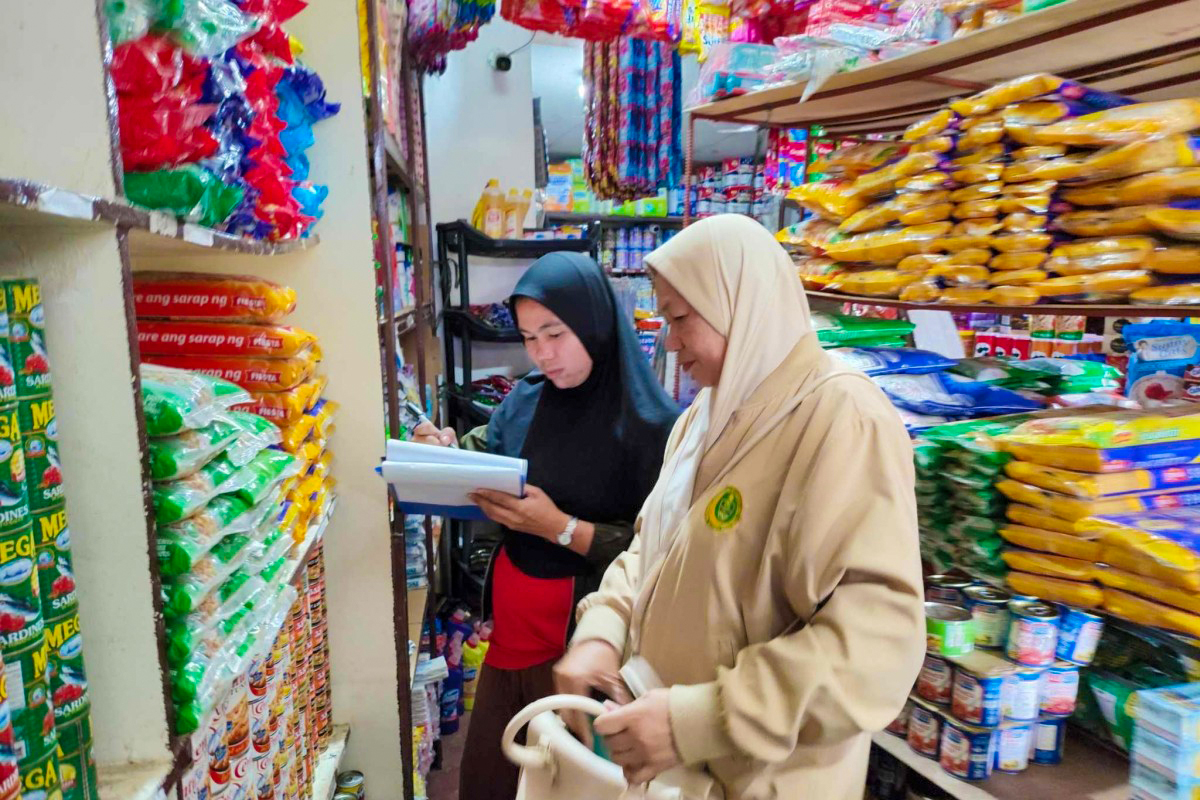
The rise was primarily driven by higher prices in key commodity groups, including Food and Non-Alcoholic Beverages (2.9%), Housing, Water, Electricity, Gas, and Other Fuels (1.3%), Health (5.0%), and Transportation (-2.6%).
Food inflation was a significant factor behind the increase, with prices for Cereals and Cereal Products rising by 4.4 percent, Rice by 4.5 percent, and Fish and Other Seafood by 2.2 percent. Meanwhile, costs in the Housing, Water, Electricity, Gas, and Other Fuels group also climbed by 1.3%, mainly due to higher utility and fuel prices. While Transportation recorded a slight decline of -2.6%, it wasn’t enough to offset the increases in other sectors.
Despite the uptick in Lanao del Sur’s inflation rate, the overall inflation rate for the Bangsamoro region remained steady at 1.7 percent in November 2024, unchanged from October. This positions BARMM as one of the regions with the lowest inflation rates in the country. Among BARMM’s provinces, Sulu recorded the highest inflation rate at 3.5 percent, followed by Lanao del Sur, and Maguindanao.
The purchasing power in Lanao del Sur remained at 0.80 in November 2024. This means that goods and services that cost P100 in 2018 now cost P125, highlighting the slight weakening of purchasing power.
PSA-BARMM Regional Director Engr. Akan Tula noted that while the rise in inflation affects purchasing power, it is important to understand the broader economic context. He said that the increase in inflation directly impacts their ability to purchase goods and services, but the relatively stable inflation rate in the larger BARMM region provides a bit of balance in these challenging times. (APB/PIA-10 Lanao del Sur)